How to Make a White Room Cozy
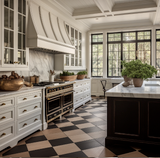
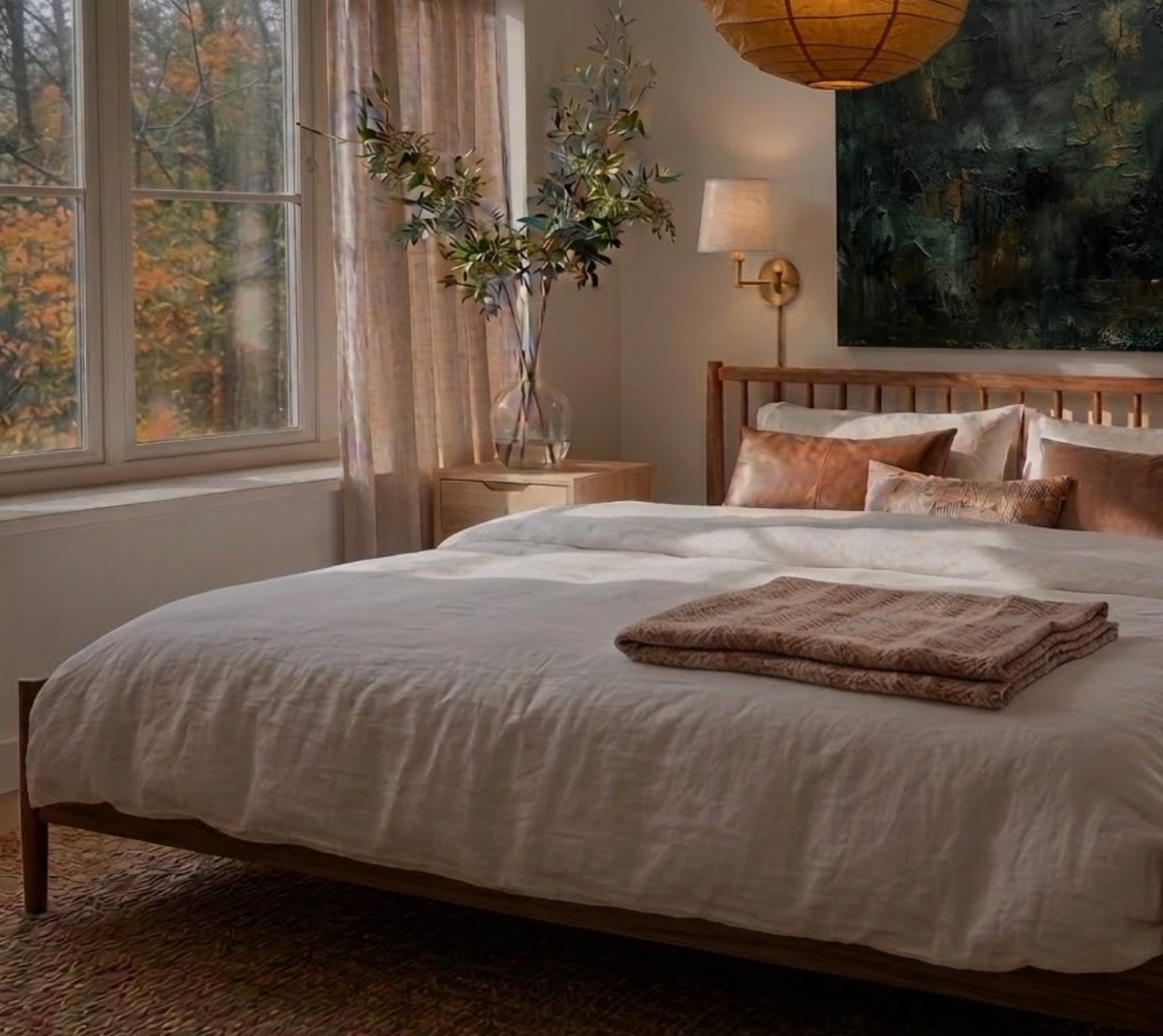
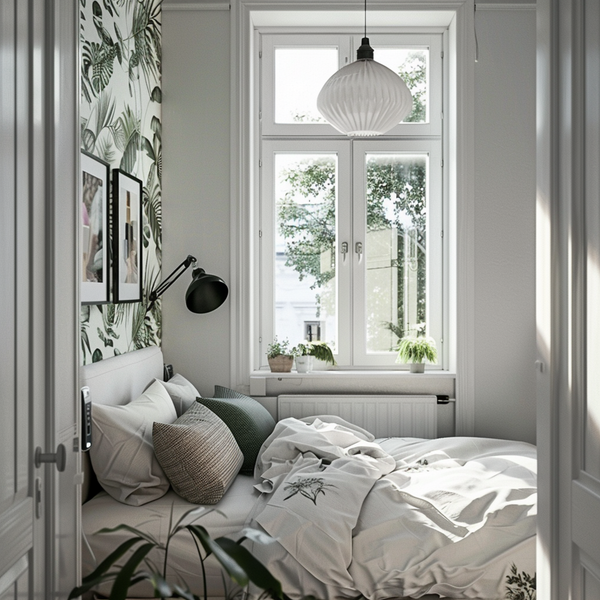
White rooms don't feel cold because they're white. They feel cold because they're unfinished — and white shows unfinished more than any other color.
The walls aren't the problem. The lack of layering is.
Here's what's actually missing, in order of impact.
1. Texture
A white room with flat surfaces reads as empty. Doesn't matter how much stuff is in it. The fix is introducing materials that absorb and break up light differently — chunky knit, linen, jute, raw wood, terracotta. Not more objects. Different surfaces.
Start here before anything else. It's the highest-leverage move in the room.
What to add:
- Chunky Knit Blanket Throw (under $50) — throw it over a chair or the end of the bed. Don't fold it perfectly.
- Cotton Linen Bedding (under $50 for queen) — breathable, relaxed, works in any white room
- Cotton Linen Throw Pillow Covers (under $30) — size note: always buy a cover 2 inches smaller than your insert so it fills out properly
- Pillow Inserts (under $25) — down inserts make a visible difference in how pillows sit and hold shape
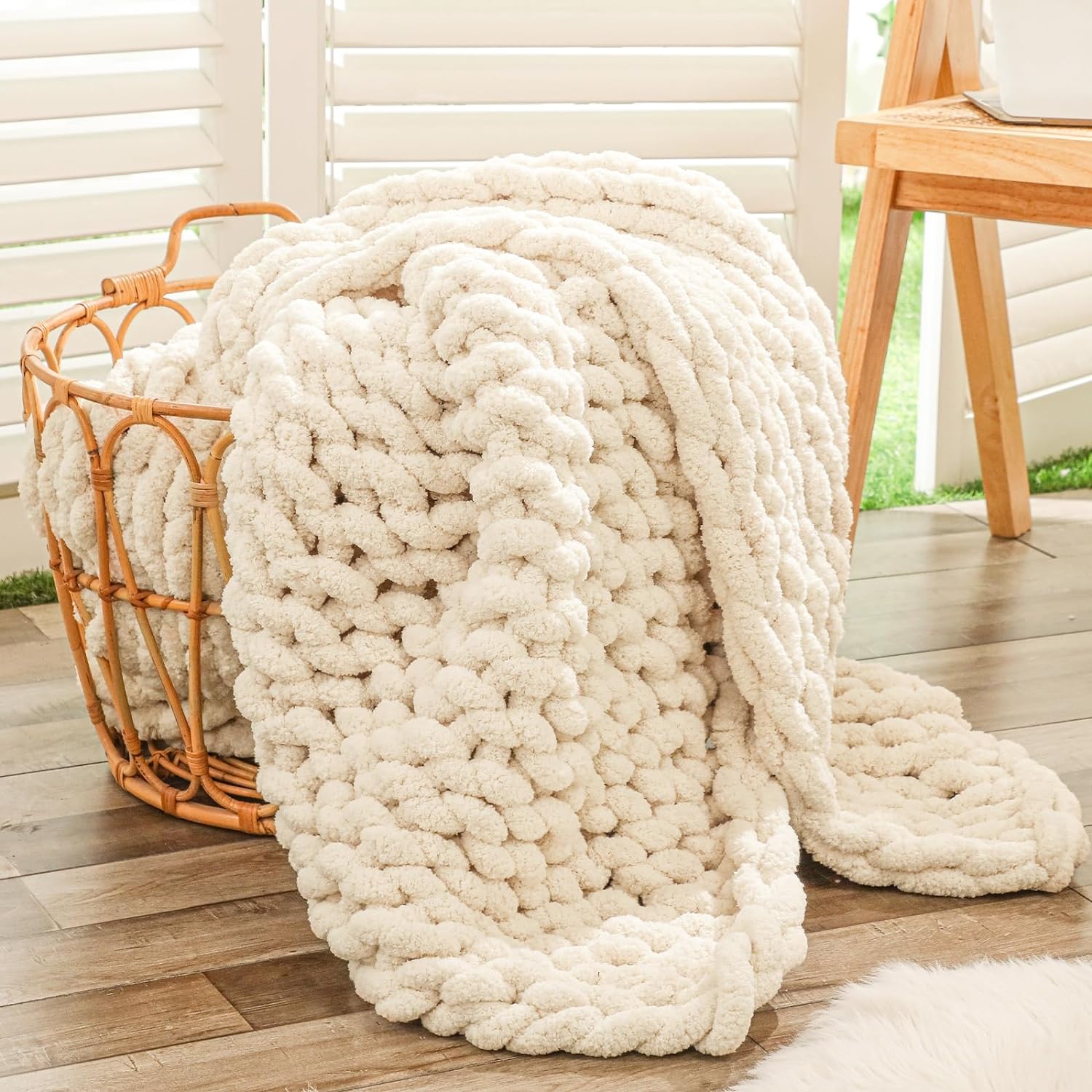
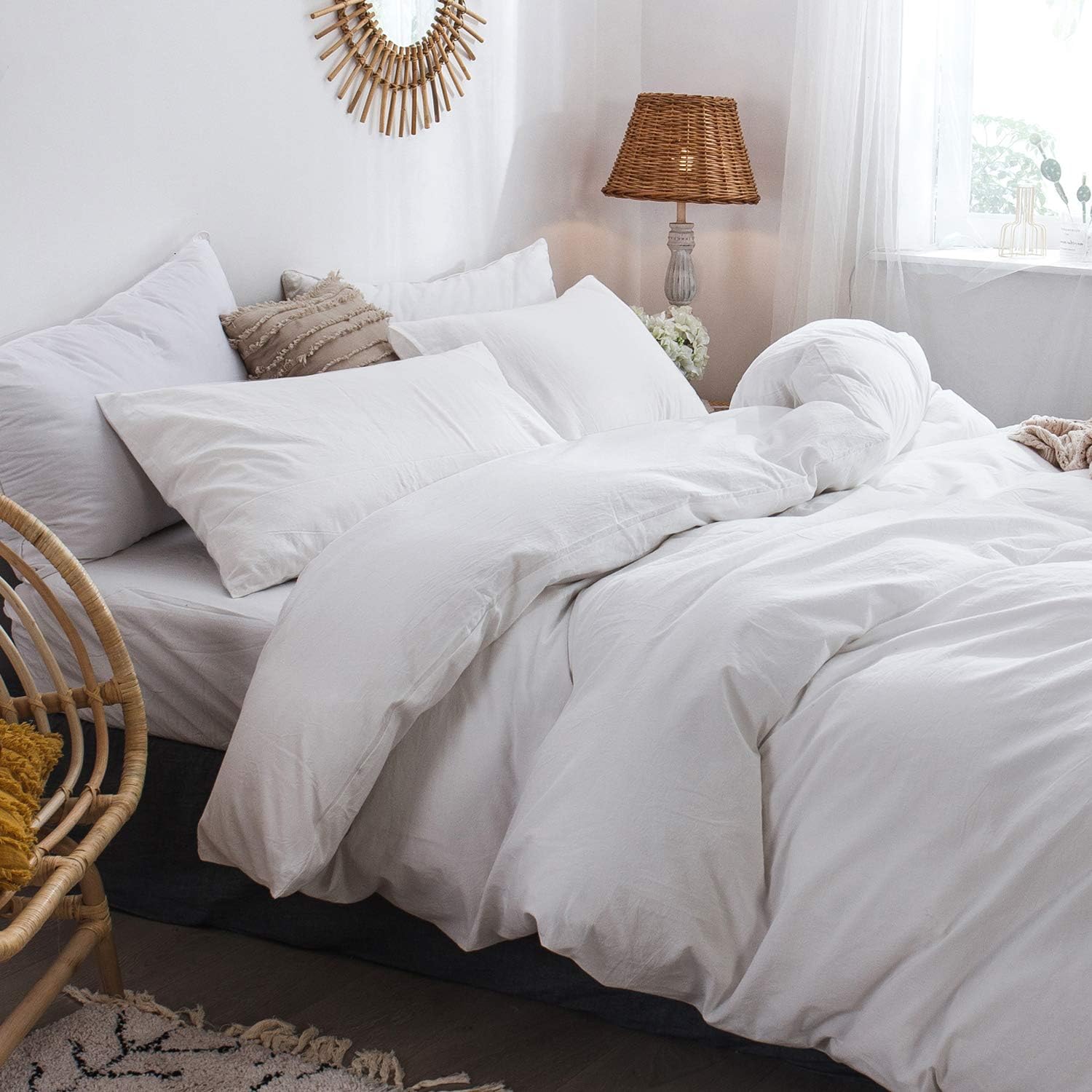

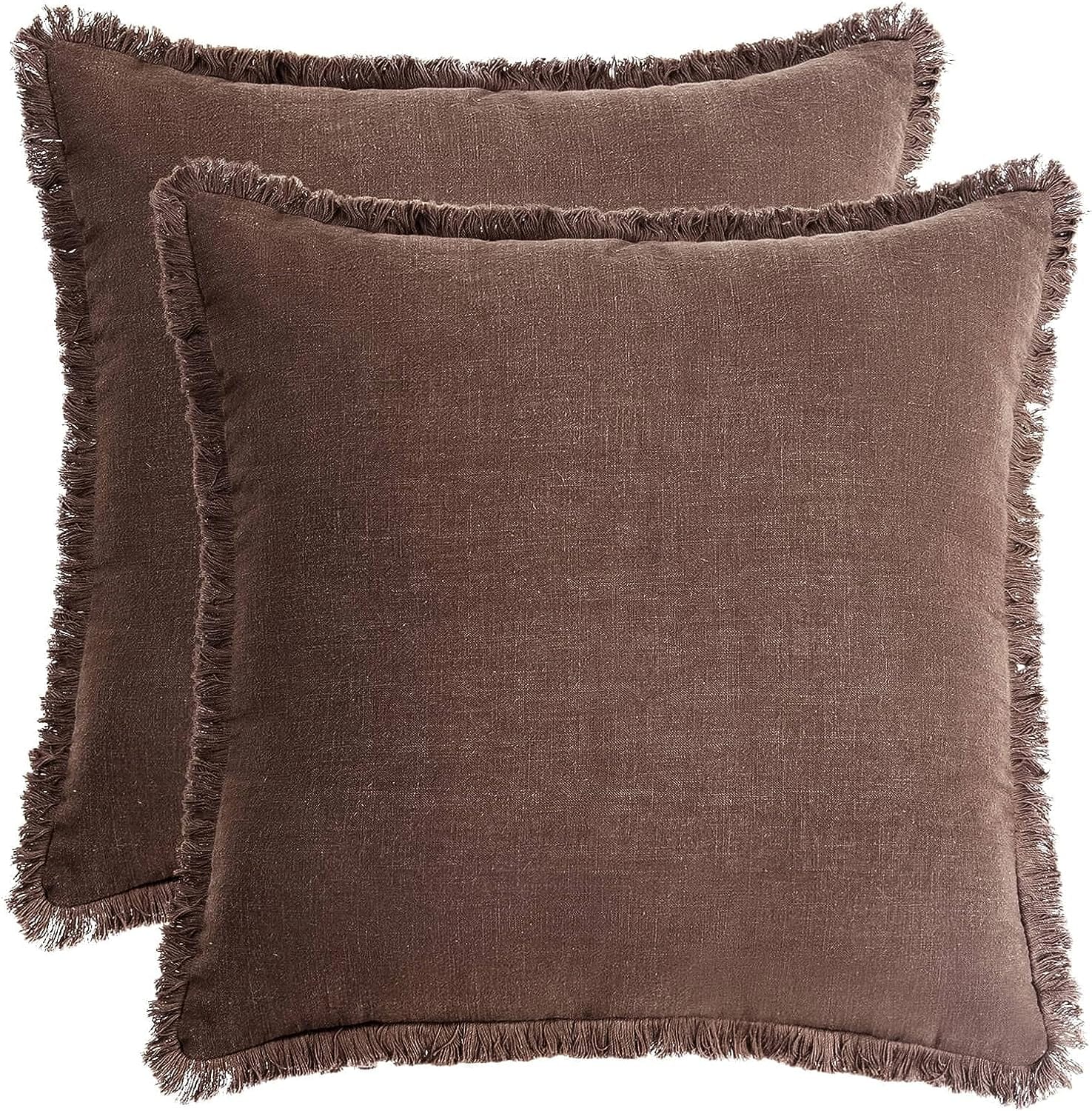
"Best Seller" Chunky Knit Blanket Throw (Under $50) Cotton Linen Breathable Bedding (Under $50 for Queen) - so comfortable + comes in a ton of colors Pillow Inserts (under $25) - trust me, a nice down pillow insert makes a TON of difference in the comfort of your throw pillows Cotton Linen Throw Pillow Cover (under $30) - always purchase an cover that is 2" smaller than the insert to ensure that the insert fills up the cover properly
2. Lighting
Most white rooms have one overhead light. That's the problem. One light source from above creates flat, clinical light — the same reason hospital rooms feel the way they do.
The fix is layering: ceiling, floor, and table. Three sources minimum. And every bulb in the room should be warm (2700K–3000K), not daylight.
If you do nothing else in this section, change the bulbs. It's a $15 fix that changes the entire character of a room.
What to add:
- Set of 2 Plug-In Wall Sconces (under $150) — no electrician needed, plug straight into the wall
- Metal Table Lamp with Fabric Shade (under $90) — fabric shades diffuse light better than glass or metal
- Fabric Pendant Light (under $200) — renters can swap a ceiling fixture in 20 minutes and swap it back before moving out
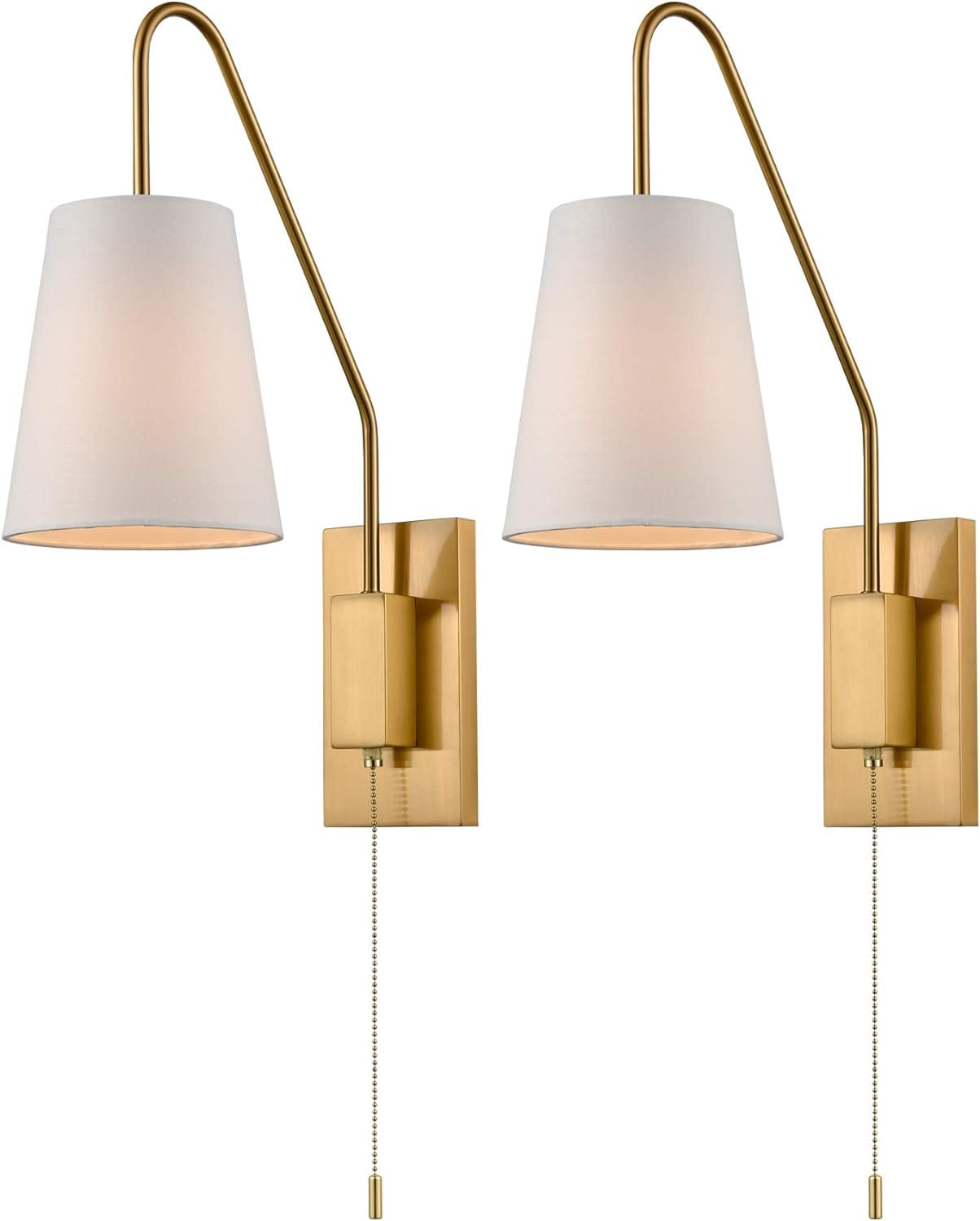
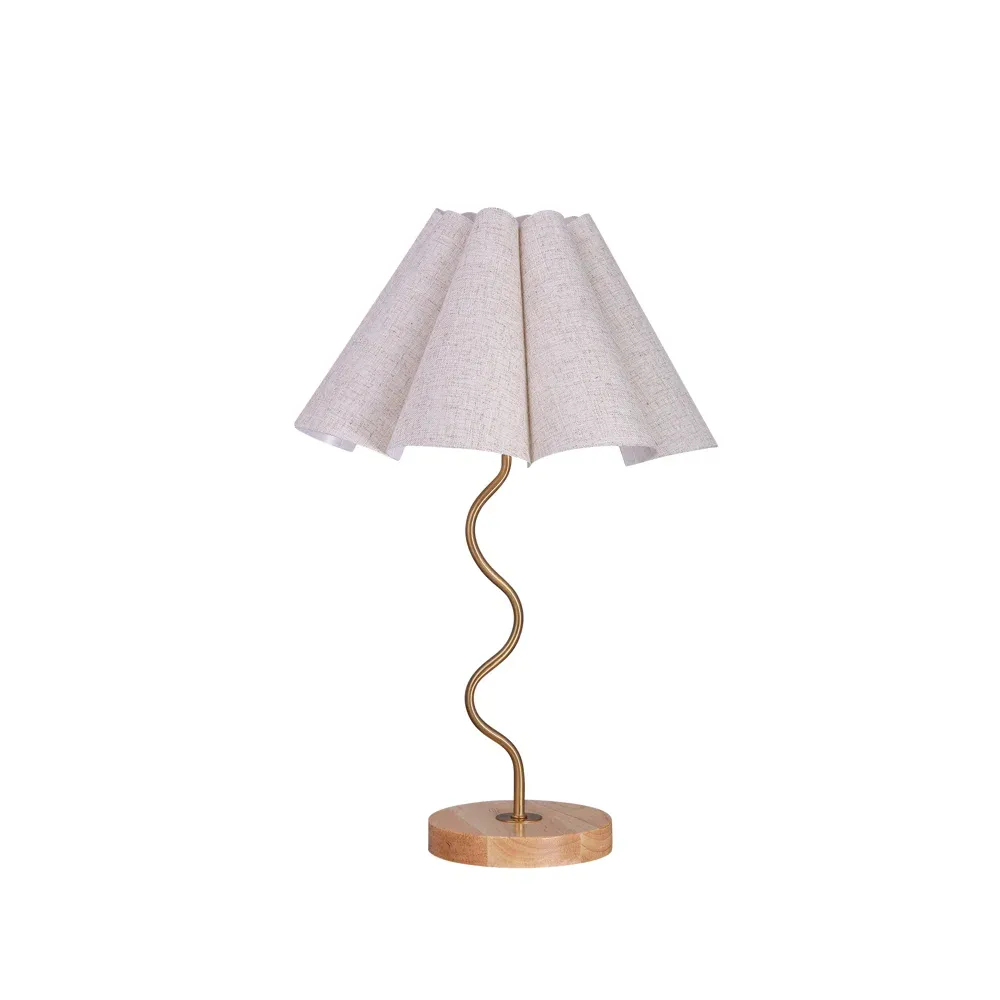
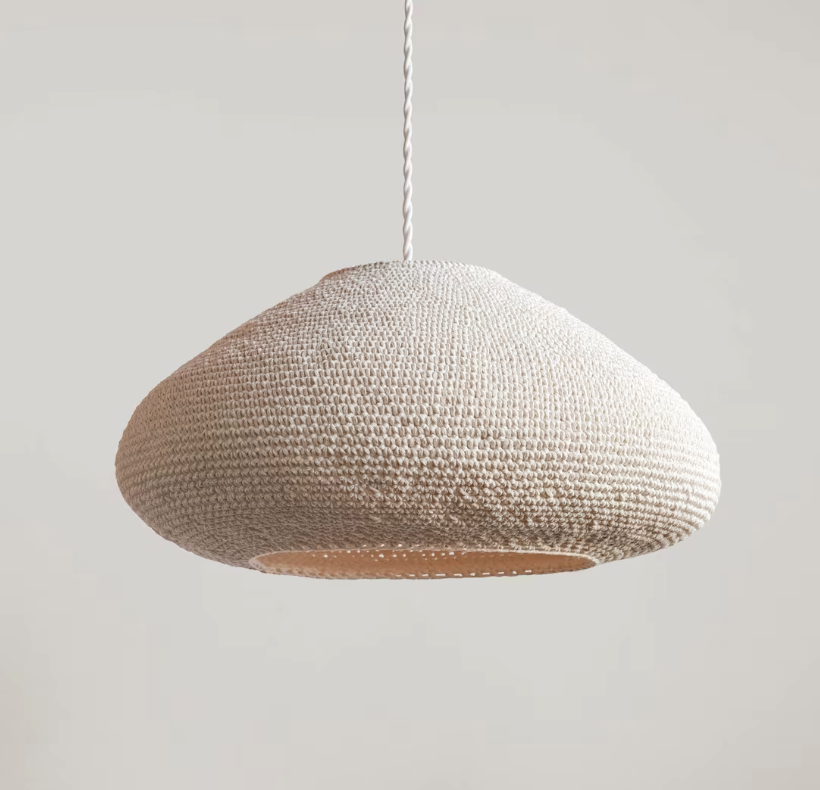
Set of 2 Plug In Wall Sconce (Under $150) Hailyn Metal Table Lamp (Under $90) - just came across these and love the fabric shade + unique stand Fabric Pendant (Under $200) - if you are renting, its easy to swap your existing ceiling light + it can really make a big impact on the feel of the space
3. A Rug
An uncovered floor in a white room makes the whole space feel provisional — like you haven't fully moved in. A rug grounds the room. It defines the seating area, adds another texture layer, and gives the eye somewhere to land.
You don't need to spend a lot. You need to get the size right: in a living room, all front legs of furniture should sit on the rug. In a bedroom, it should extend at least 18–24 inches on each side of the bed.
What to add:
- nuLOOM Chunky Jute Rug — neutral, textured, works in almost any room
- Lolo Rug in Olive/Charcoal — easy to clean, holds up well, not boring
- Faux Sheepskin (under $31) — layer over an existing rug for texture, or use beside the bed
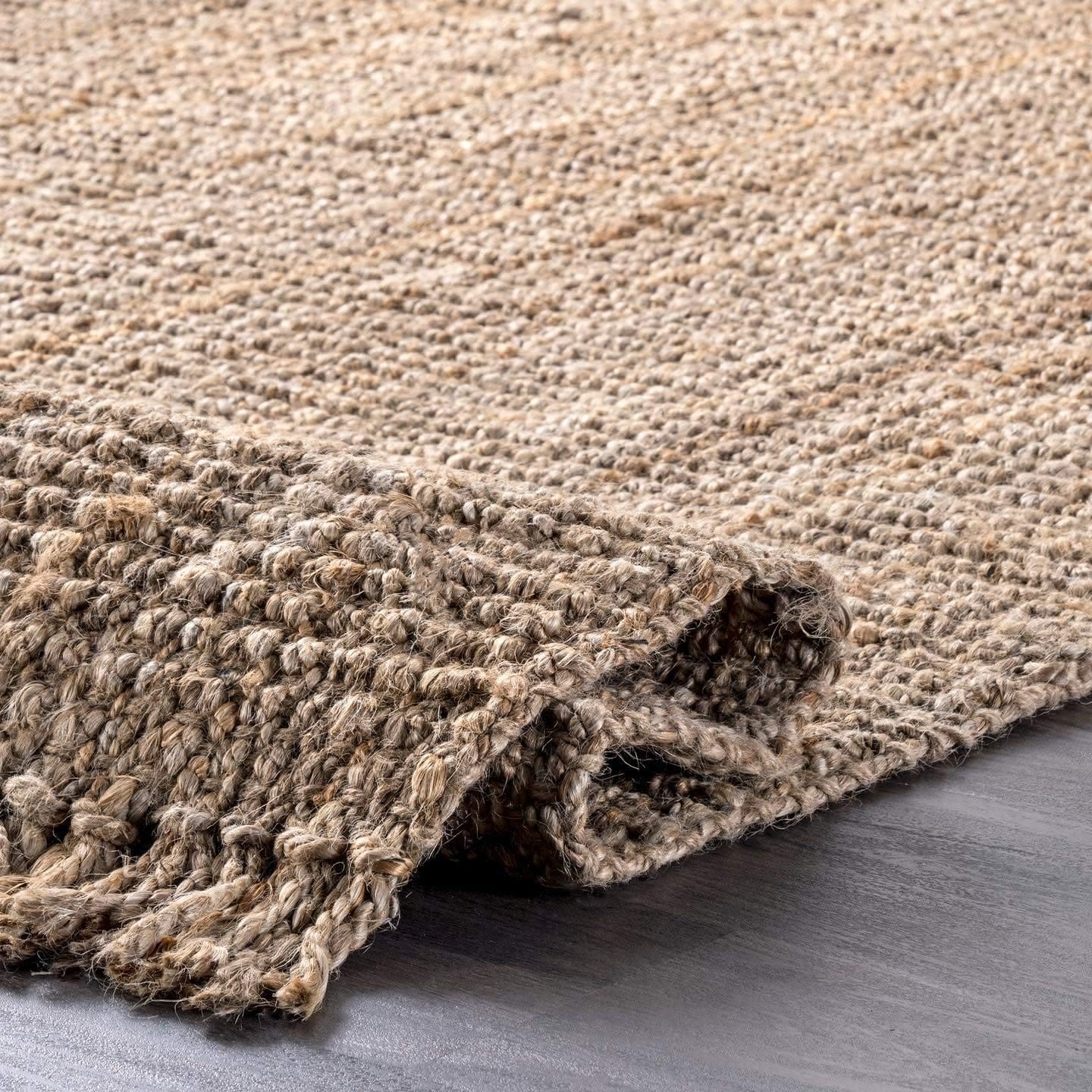
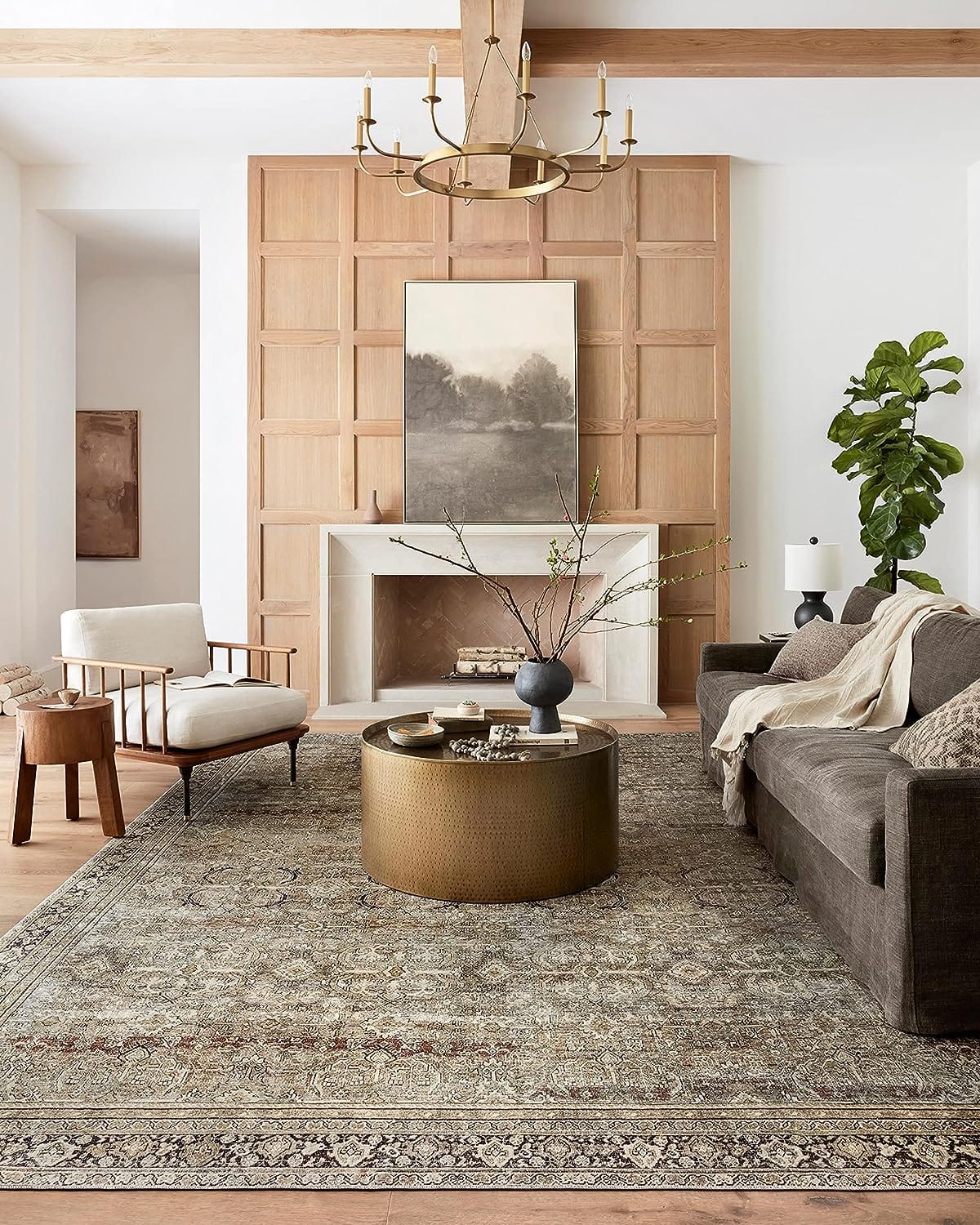
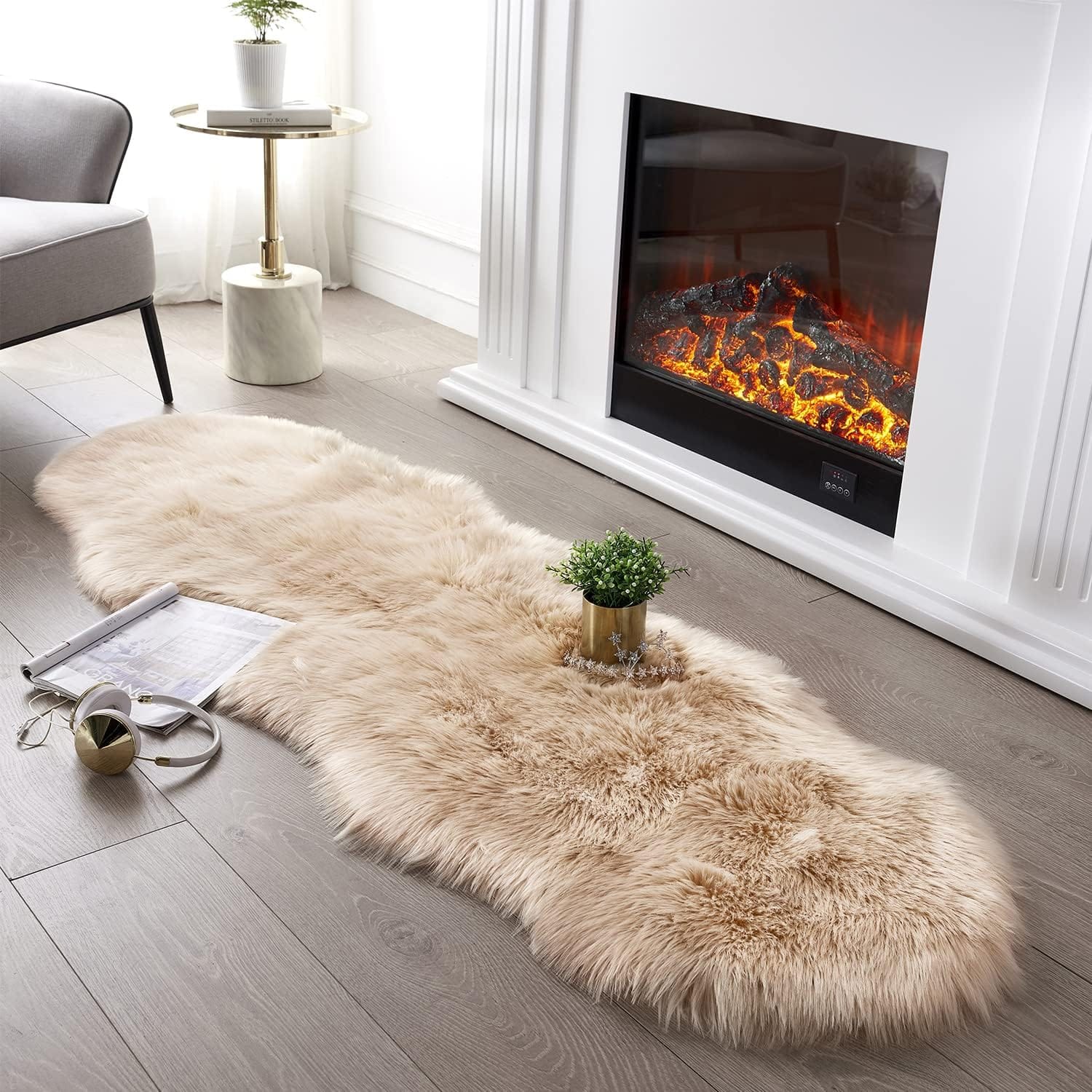
nuLOOM Chunky Jute Rug Lolo Rug Olive / Charcoal (I have this in my living room and it is SO pretty + easy to clean) Faux Sheepskin ($31)- I love to lay these on top of an area rug to add an extra layer, add more texture, etc
4. Organic Materials
Wood, terracotta, dried stems, stone. These materials read as warm to the eye because they're associated with warmth. A white room full of metal and glass will stay cold regardless of what else you do.
You don't need a lot. A wood tray on a nightstand, a terracotta planter on a shelf, a single stem in a ceramic vase. Each one shifts the temperature of the room slightly. Collectively they make the white walls feel intentional instead of unfinished.
What to add:
- Solid Oak Bench (under $150) — end of the bed or under a window
- Wood Nightstand Tray (under $25)
- Organic Edge Terracotta Planter (under $20)
- Set of Vintage Vases (under $20) — good for single stems; doesn't need to be elaborate
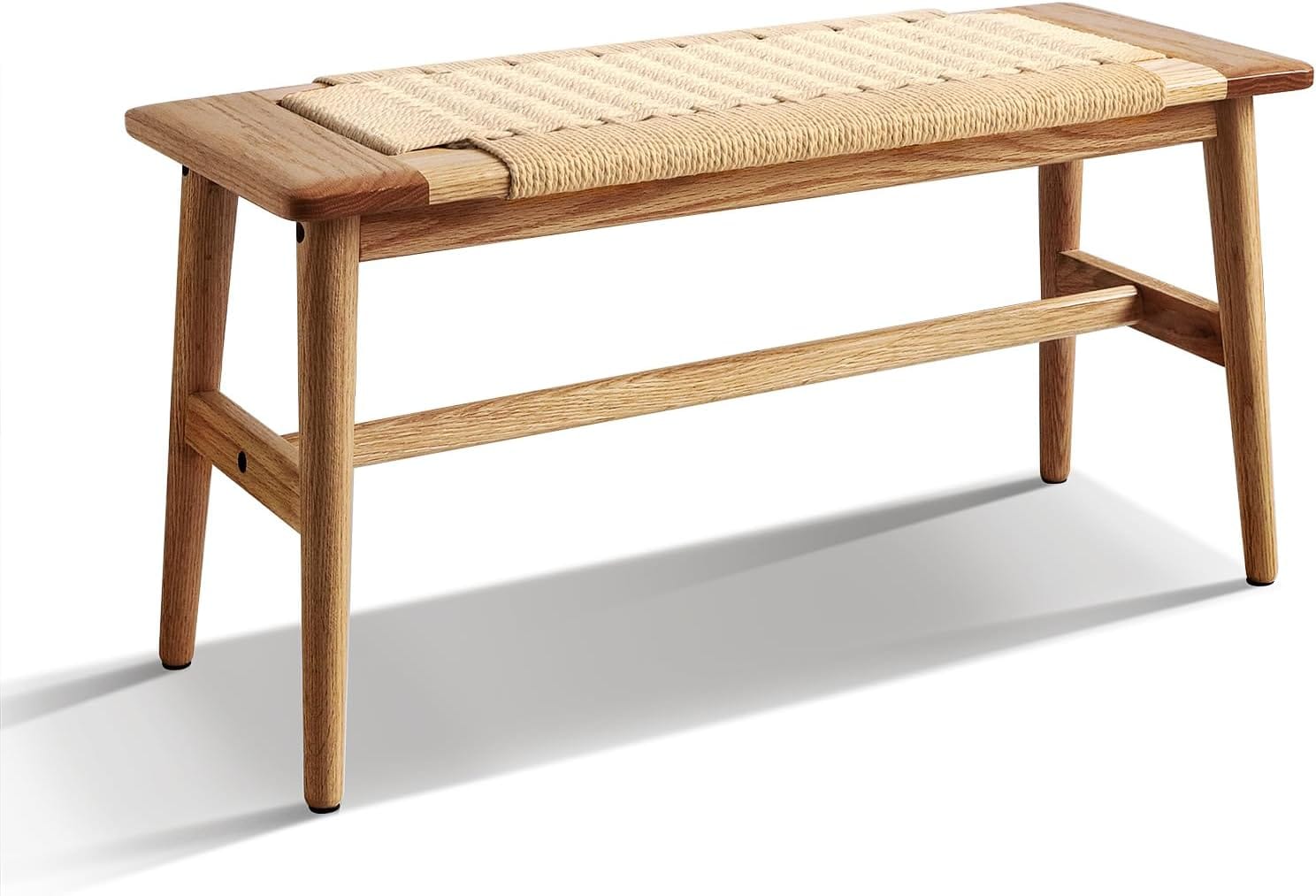
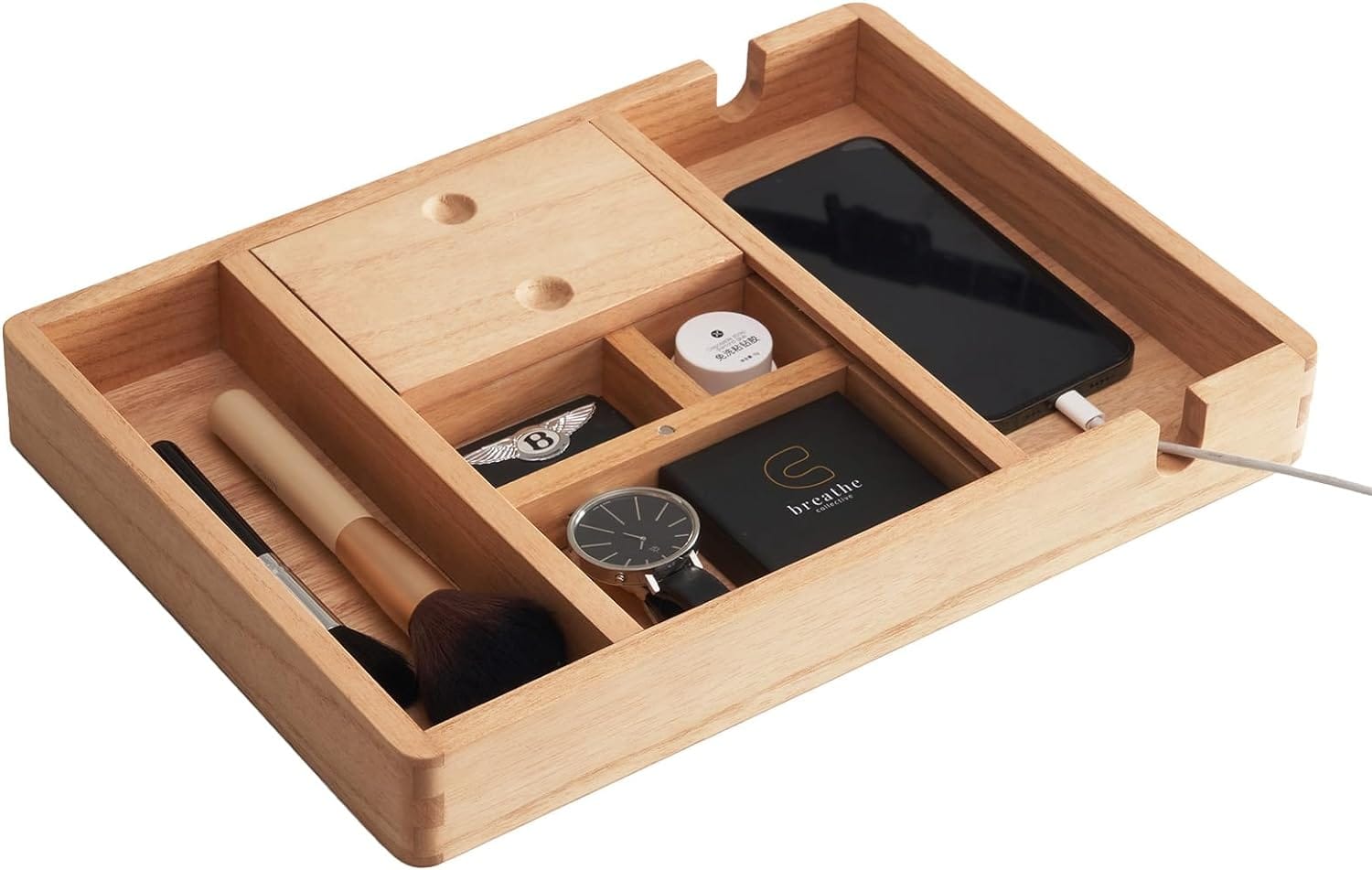

Solid Oak Bench (Under $150) - perfect for the end of the bed or under a window Wood Nightstand Tray (Under $25) Solid Wood Bookshelf Decor (Under $40)
5. Wall Treatment or Vertical Interest
Bare white walls are fine. Four of them with nothing happening is what creates the problem. You need at least one wall doing something — texture, art, a mirror, a hanging.
For renters, the options are wider than most people think. Peel-and-stick treatments have improved. Lightweight hangings don't require anchoring into studs. A large mirror leaned against the wall requires no hardware at all and makes the room feel twice the size.
What to add:
- Peel-and-Stick Grasscloth Wallpaper — good option for a single accent wall; reversible
- Tapestry (Anthropologie) — adds depth and pattern without paint
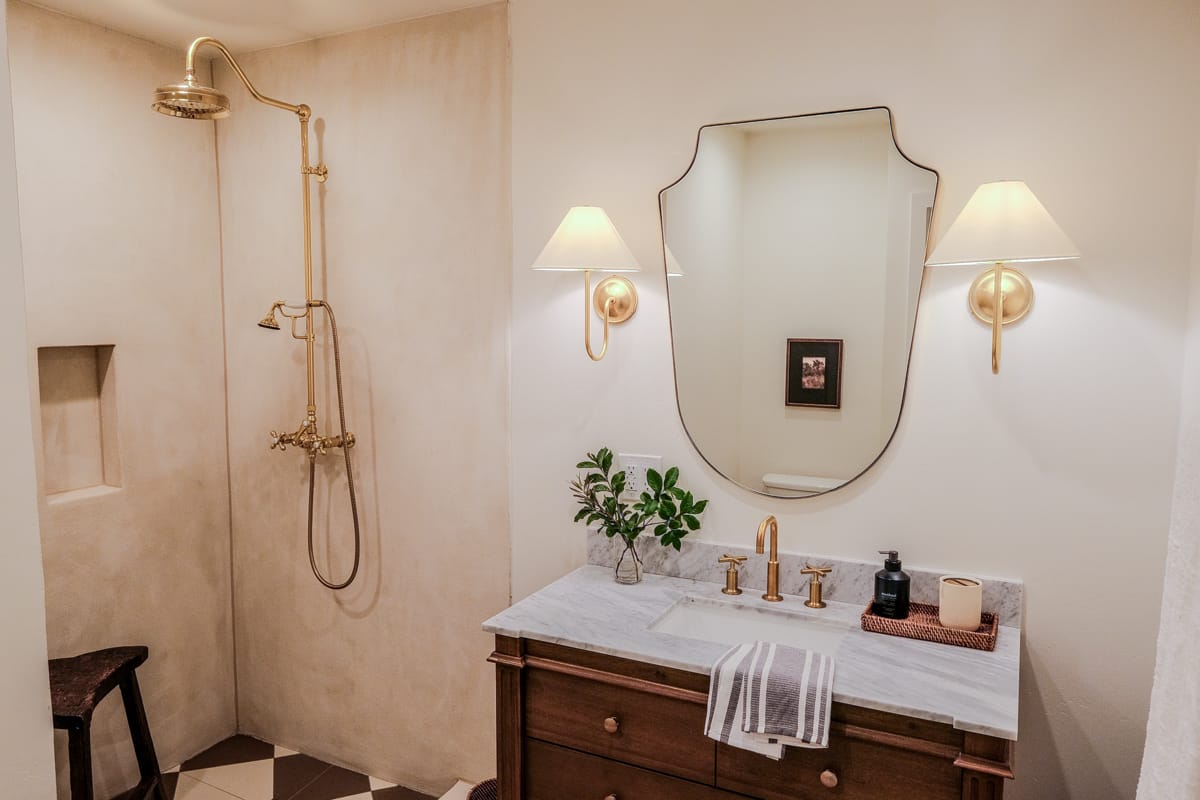
- Irregular Full-Length Mirror (under $75) — lean it, don't hang it; reflects light and opens up the room
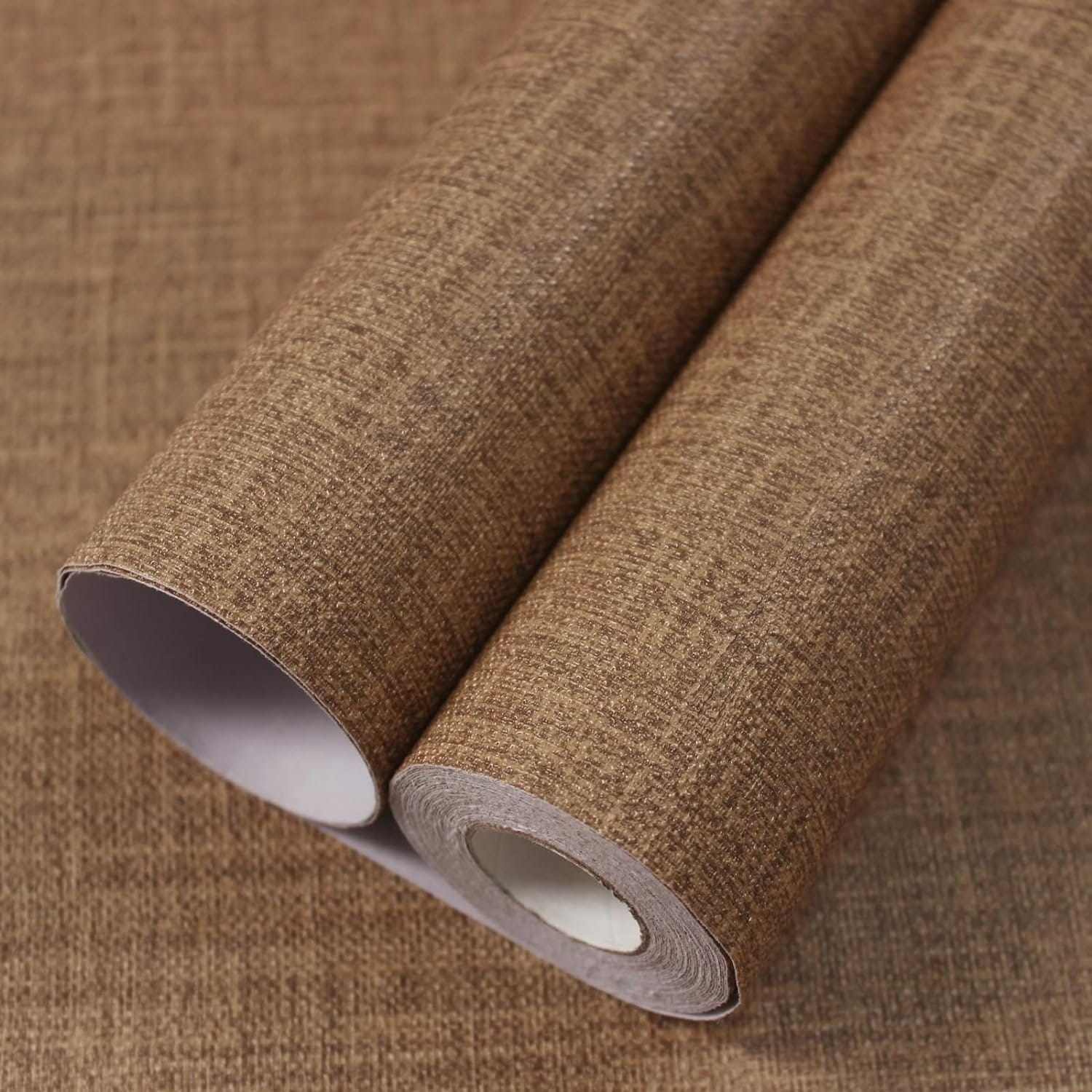
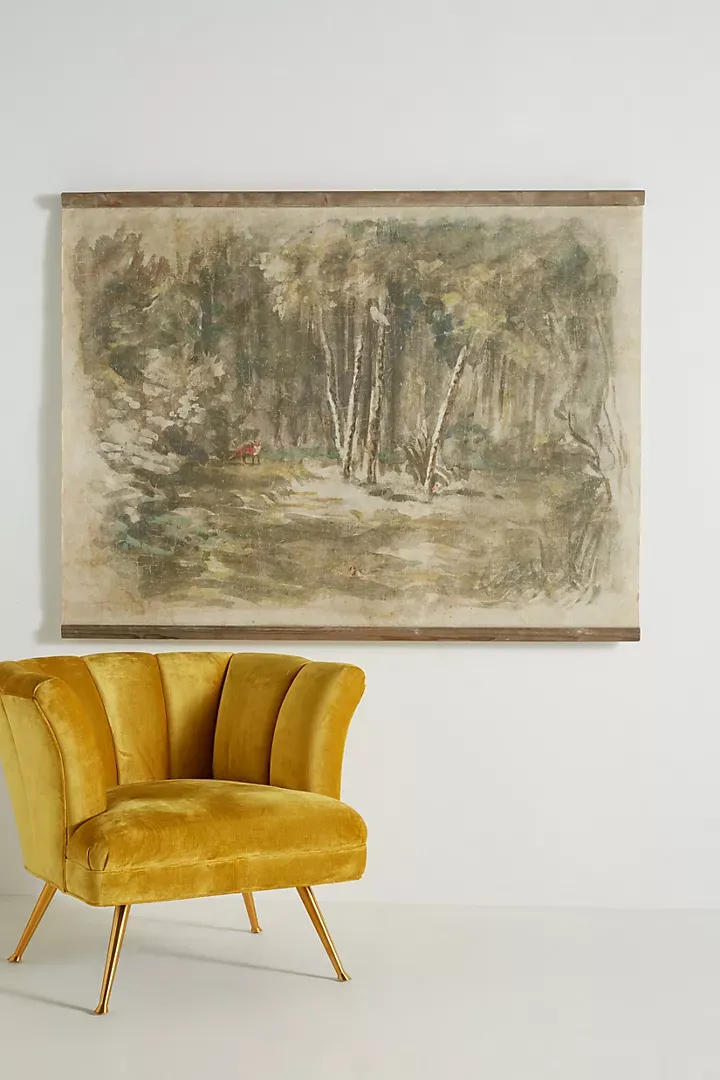
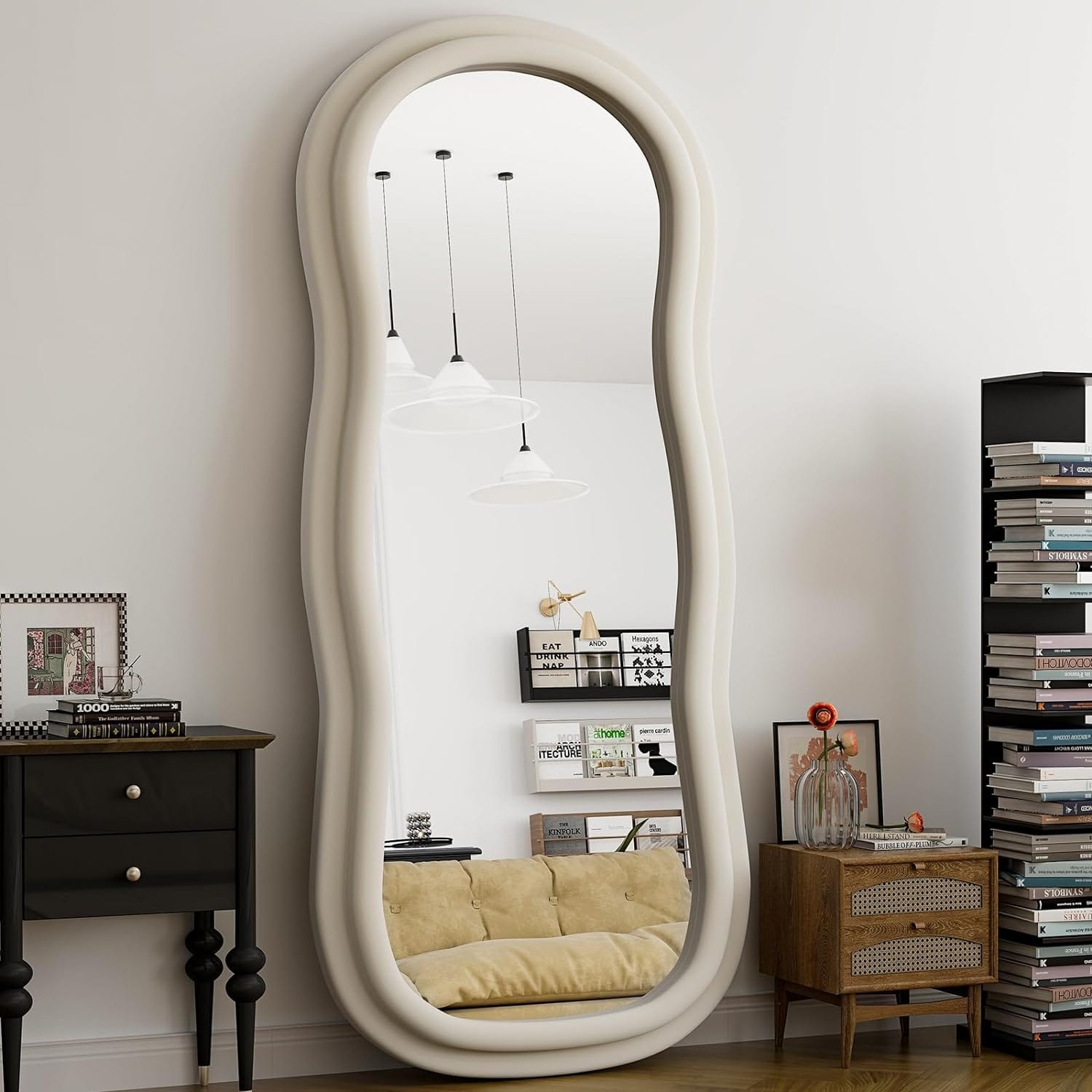
Peel + Stick Grasscloth Wallpaper - full disclosure, I have NOT tried this but I'm so interested to see how it looks in person. West elm also carries one but its more $$! Anthro Tapestry ($$$) but so beautiful + would add depth/coziness to any white room Irregular Full Length Mirror (under $75) - reflects light and helps make any room appear larger
6. Window Treatments
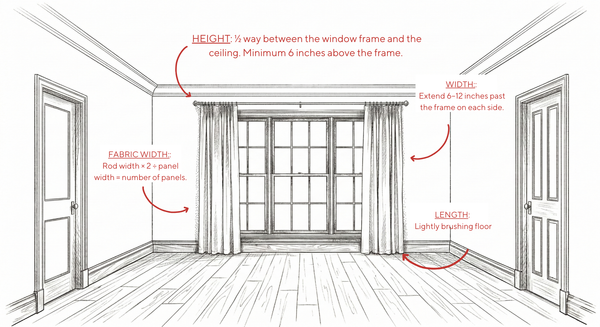
Bare windows in a white room are a compounding problem: no softness, no texture, harsh daylight that flattens everything. Curtains fix this — not because of color, but because fabric introduces the one thing a white room is usually missing at the window line.
Hang them high (near the ceiling) and wide (past the window frame on both sides). The sizing matters more than the fabric.
→ Full curtain guide here if you want to go deeper.
The order matters
If you try to fix everything at once, you'll overspend and still feel like something's off. Work the list in sequence:
- Texture (bedding, pillows, throws)
- Lighting (add sources, change bulbs)
- Rug
- Organic materials
- Wall treatment
- Window treatments
Most white rooms are fixed by step three. The rest is refinement.
 Parker Ellis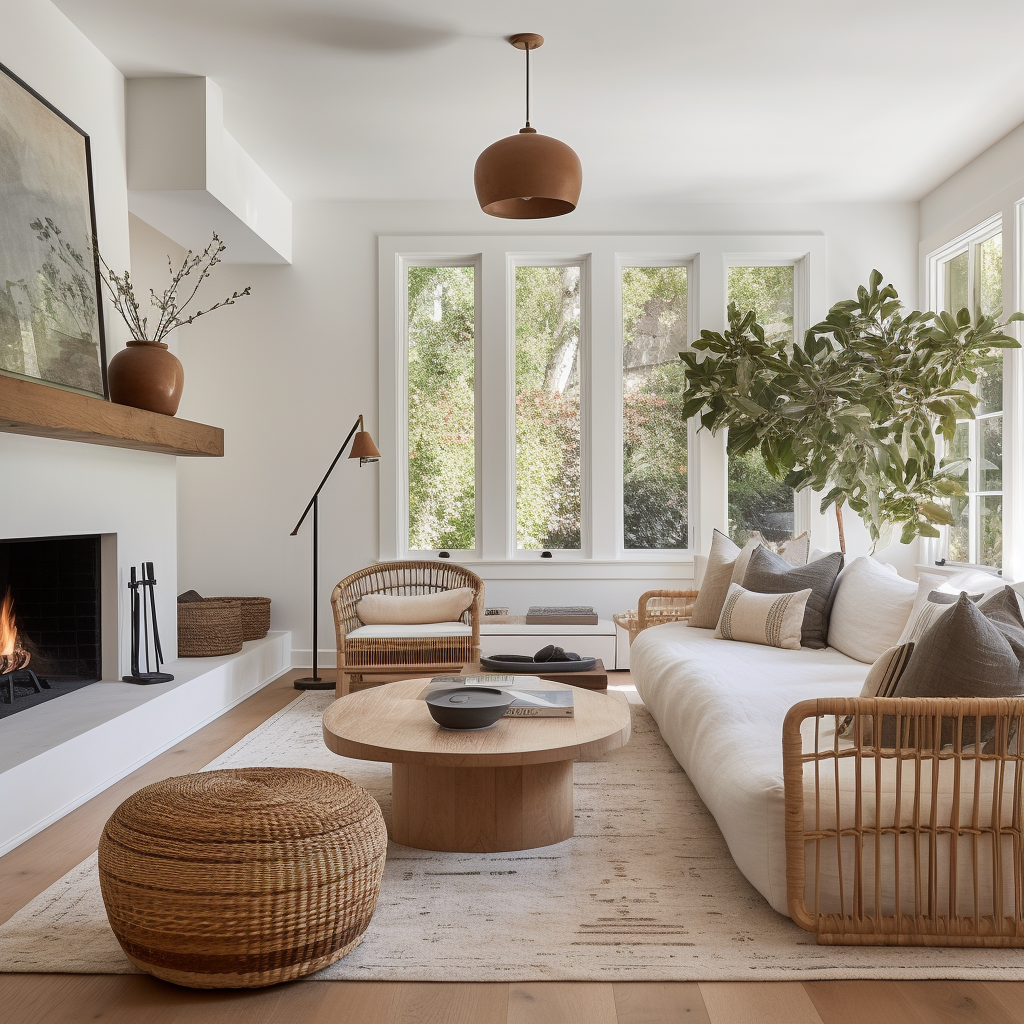
 Parker Ellis